Powell River Top General Contractor for Home Improvement Projects
General Contractor: Your Trusted Professional for Residential Projects
A general contractor maintains an indispensable position in building projects. They manage numerous facets of building operations, ensuring that all work proceeds without incident. Their command of building codes and standards allows them to navigate the challenges of authorizations and reviews. This knowledgeable professional represents an important bridge between homeowners and subcontractors. Still, many homeowners remain confused about the full scope of their services. Grasping these details can greatly impact the accomplishment of any renovation endeavor.
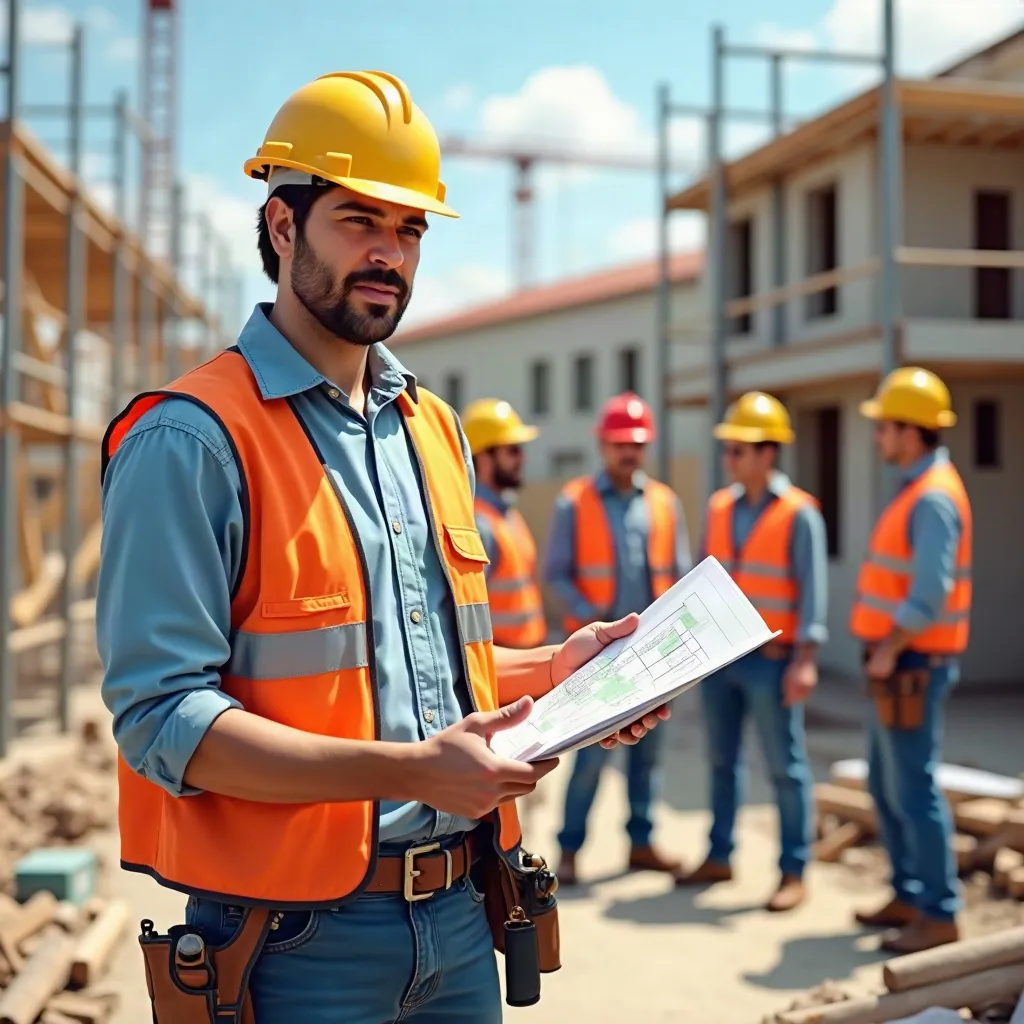
What Does a General Contractor Accomplish?
A general contractor coordinates the various elements of a construction project, making sure that processes proceed efficiently from start to finish. They perform as the primary point of contact, managing exchanges between project principals, subcontractors, and suppliers. This assignment entails designing the project timeline, mobilizing workers, and ensuring compliance with state and local building regulations and regulations.
General contractors are in charge of obtaining necessary permits and scheduling inspections, which are vital for upholding safety and quality benchmarks. They also manage budgeting, sourcing materials, and managing on-site activities to prevent any possible setbacks or complications. In addition, they supervise subcontractors, ensuring that each phase of construction aligns with project specifications and timelines. Overall, a general contractor's knowledge and management abilities are crucial for completing a successful construction project, transforming a client's vision into reality while balancing multiple tasks and responsibilities.
Benefits of Employing a General Contractor for Home Renovations
Bringing on a a general contractor for home renovations offers numerous benefits that can substantially enhance the quality and efficiency of the project. General contractors deliver expertise in overseeing projects, guaranteeing timelines are met and resources are allocated effectively. Their established connections with trade specialists can produce better pricing and superior workmanship, which in the end saves homeowners money and time.
Moreover, general contractors oversee the complex aspects of licensing and compliance, reducing potential legal issues. They also offer a unified liaison, simplifying communication and coordination among different contractors. This optimization reduces the chance for confusion and setbacks.
Additionally, their expertise allows them to identify potential challenges, permitting proactive solutions to stay on track the project on schedule. By bringing on a general contractor, homeowners can focus on their vision while enjoying peace of mind, assured that a professional is managing every aspect of the renovation.
Dispelling False Beliefs Surrounding General Contractors
While many property owners may hold misconceptions about general contractors, understanding the truths can lead to more educated decisions. One prevalent myth is that hiring a contractor is unnecessary for small projects; however, review now their skills can simplify even minor renovations, ensuring adherence with local codes. Another common belief is that general contractors are merely middlemen, but they often possess broad knowledge in various trades, enabling them to manage projects effectively. Additionally, some clients think that working with a contractor will considerably inflate costs. In truth, a professional contractor can often secure better pricing for materials and labor due to established relationships with vendors and subcontractors. Finally, many believe that contractors are inflexible, but trusted contractors prioritize client communication and collaborate closely to meet individual needs. Dispelled myths can empower clients to leverage the real value of contractors in achieving successful home projects.
Identifying the Best General Contractor?
How can homeowners guarantee they choose the right general contractor for their projects? The process begins with thorough research. Homeowners should seek suggestions from friends, family, or online reviews to identify potential candidates. Once a compilation is created, verifying credentials, such as licensing, insurance, and bonding, is essential to confirm credibility.
Next, homeowners should ask for and examine portfolios of past projects, focusing on assignments of comparable size. Scheduling meetings allows homeowners to gauge compatibility, discussing timelines, budgets, and expectations. It's also advisable to obtain multiple quotes for evaluation, providing a better grasp of costs.
Assessing references offers understanding of a contractor's competence and integrity. Finally, relying on your gut feeling is important; an initial meeting can reveal much about a contractor's way of communicating and methodology. By implementing these procedures, homeowners can markedly increase their likelihood of picking a general contractor who aligns with their objectives and goals.
Strong Messaging Strategies To Use Alongside Your General Contractor
Which approaches can homeowners apply to guarantee strong communication with their general contractor? Setting up transparent discussion from the start is vital. Homeowners should distinctly articulate their requirements, project aims, and budget constraints during preliminary talks. Frequent communications can be facilitated through organized gatherings, confirming that both parties remain synchronized throughout the project.
Applying documented evidence, such as project documentation and emails, strengthens verbal agreements and decreases misunderstandings. Homeowners should likewise encourage transparent dialogue by inviting feedback and questions from the contractor, establishing a collaborative environment.
Moreover, employing digital tools, including project management apps, can streamline dialogue by providing a centralized platform for exchanging updates, timelines, and changes. Finally, being courteous and approachable can enhance connection, allowing it easier for the contractor to convey challenges or suggestions successfully. By employing these strategies, homeowners can develop a productive and transparent partnership with their general contractor.
What to Anticipate When Your Initiative Begins?
As the project starts, homeowners can expect a flurry of action on-site. The lead contractor will manage teams of skilled tradespeople, along with electricians, plumbers, and carpenters, who will begin their responsibilities following the set schedule. Homeowners may notice heavy machinery and materials being delivered, fostering a vibrant atmosphere.
Communication stays vital during this phase. The contractor will give progress reports on advancement and address any concerns that occur. Homeowners should get ready for possible interruptions, such as noise and restricted entry to certain areas of the home.
Safety measures will be in place to protect both workers and residents, ensuring a secure environment. Additionally, homeowners may be encouraged to maintain flexibility, as unforeseen issues can arise, compelling adjustments to the original plan. Overall, this initial phase sets the stage for the successful completion of the project, and active commitment is essential.
Important Queries for Your General Contractor Deal?
Deciding which inquiries to raise when finalizing a general contractor agreement is important for guaranteeing a trouble-free project. Homeowners should ask about the contractor's permit and policy to verify their credentials and protection against legal exposure. Understanding the project timeline and phases is significant; therefore, asking about projected completion dates helps manage expectations.
It is also paramount to communicate financial specifications, such as deposit amounts and payment plans, to forestall misconceptions. Homeowners should secure a granular analysis of outlays, highlighting building materials and labor, to copyright transparency. In addition, engaging in discussion about the process for addressing alterations or unforeseen issues can eliminate conflicts later.
Lastly, property owners must seek information about subcontractors and their qualifications, as well as the contractor's communication strategy throughout the project. By addressing these questions, homeowners can foster a productive relationship with their primary contractor, ultimately resulting in a successful home project.
Frequently Asked Questions
How Do General Contractors Bill for Their Services?
Contractors commonly assess fees by way of flat fees, time-based pricing, or a proportion of the overall budget. Their costs may also contain building materials, work performed, and overhead, based on the project's complexity and scope.
Can a General Contractor Assist With Permits and Inspections?
Yes, a construction professional can assist with securing permits and conducting inspections oversight. They generally work through local codes and maintain compliance, simplifying the workflow for homeowners while facilitating necessary authorizations throughout the building endeavor.
What Qualities Should I Select in a General Contractor?
When designating a general contractor, one should evaluate qualifications such as licensing, suitable insurance, history with related undertakings, positive references, and effective communication skills, ensuring they possess the necessary expertise to administer the project as planned.
How Long Does a Common Home Renovation Project Need?
A typical home renovation project can require anywhere from a few weeks to several months, depending on the scope, complexity, and size of the project, as well as the accessibility of materials and labor.
What Happens if My Initiative Goes Over Financial Limits?
Should a project go over budget, the builder usually communicates the reasons and options with the property owner. Adjustments may include scaling back, pursuing more funds, or adjusting the project parameters to align with budget constraints.